
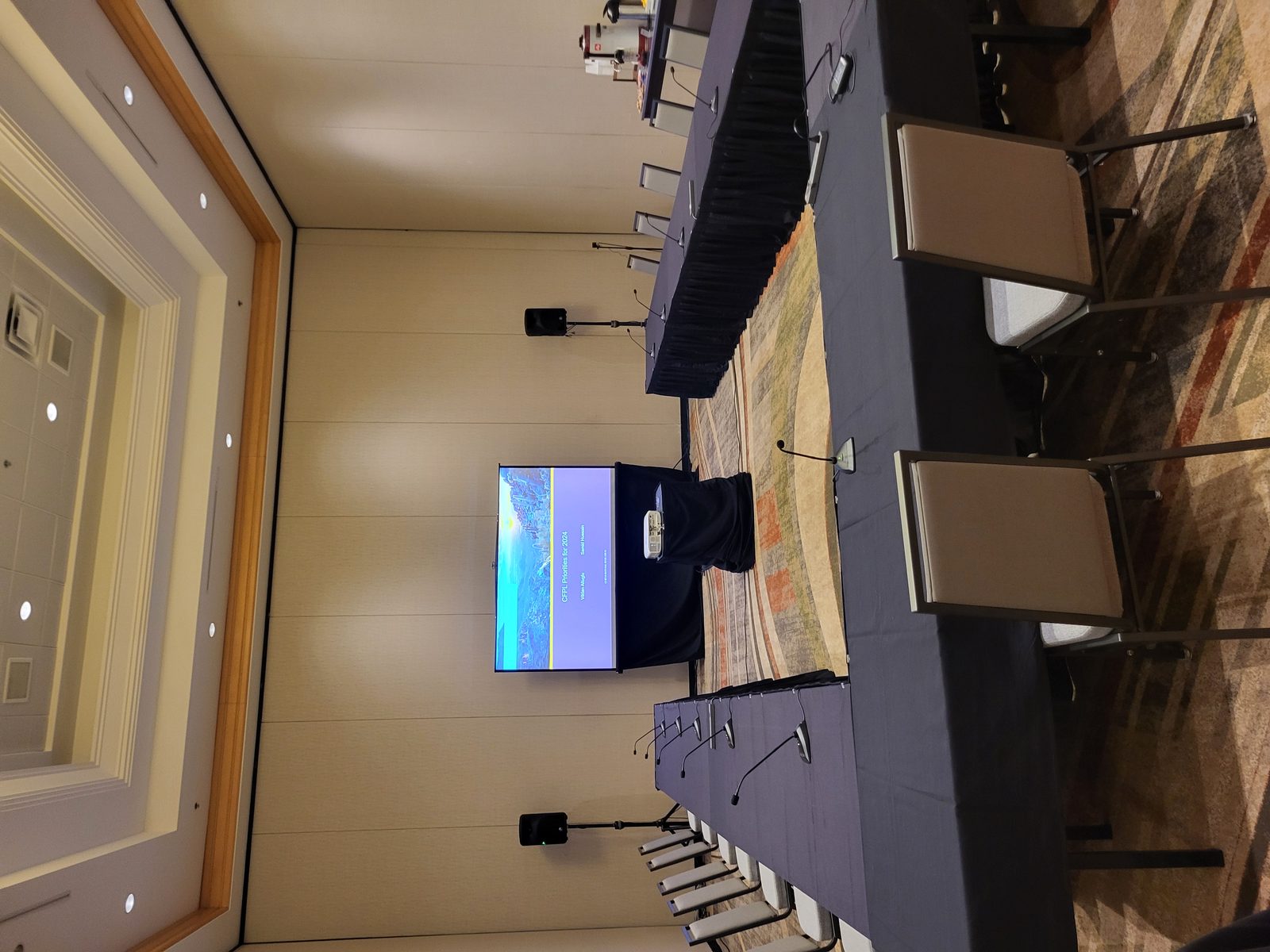
Why Your Breakout Rooms Deserve Better Audio
Ask any conference attendee what they remember most about a breakout session, and they'll talk about the content, the speaker, or the discussion. Ask them what frustrated them most, and nine times out of ten the answer involves audio: they couldn't hear the speaker, there was a constant hum, the microphone kept cutting out, or the person two rows back was louder than the presenter. Audio problems don't just annoy attendees — they undermine the entire purpose of the session. When people can't hear clearly, they disengage, check their phones, and leave early. Your carefully curated content doesn't stand a chance against bad sound.
The Problem No One Talks About
Breakout rooms are the most acoustically challenging spaces at most conference venues, yet they receive the least audio attention. There's a persistent misconception that smaller rooms don't need professional audio reinforcement — that a presenter can simply speak loudly enough to fill the space. This may have been true for a 15-person boardroom with carpet, upholstered chairs, and acoustic ceiling tiles. It is decidedly not true for the environments where most breakout sessions actually take place.
Modern conference venues use breakout rooms that are subdivisions of larger ballrooms, separated by airwalls or folding partitions. These rooms typically feature hard floors (carpet over concrete, or sometimes bare tile), high ceilings, glass or drywall walls, and minimal soft furnishings. Every one of these characteristics amplifies sound problems. Hard surfaces reflect audio waves, creating echo and reverberation that turns crisp speech into a muddy blur. High ceilings allow sound to dissipate before it reaches the back of the room. And thin partition walls bleed sound from adjacent rooms, forcing speakers to compete with whatever is happening next door.
Common Audio Problems in Breakout Rooms
Echo and Reverberation
When a speaker's voice bounces off hard walls, floors, and ceilings, it arrives at the listener's ears at slightly different times, creating a muddled, echoey effect. In rooms with reverberation times over 1.5 seconds, speech intelligibility drops dramatically. Attendees hear the speaker talking but can't discern individual words clearly, especially if they're seated beyond the first few rows.
Feedback
That piercing squeal you hear when a microphone picks up sound from a nearby speaker and creates a feedback loop is not just uncomfortable — it's the most common audio failure at events using entry-level equipment without proper gain management. Feedback happens when the microphone, speakers, and room acoustics aren't properly calibrated together. It's entirely preventable with the right equipment and an experienced audio technician, but it takes knowledge and preparation.
Dead Spots and Uneven Coverage
Many breakout rooms use a single speaker (or a pair of ceiling speakers designed for background music) to cover the entire space. The result is that attendees seated directly in front of the speaker hear well, while those at the sides or back hear a fraction of the volume. These "dead spots" create an uneven experience — some attendees hear every word while others strain to follow along. For a room of 50 or more people, this kind of uneven coverage means a significant portion of your audience isn't getting the content they came for.
Bleed from Adjacent Rooms
When breakout rooms share thin partition walls, bass frequencies and loud speech from the room next door leak through, creating a persistent background noise that competes with your presenter. This is especially problematic when adjacent rooms are on different schedules — one room may be in a quiet Q&A while the next door is playing a loud video.
Solutions That Actually Work
Professional Speaker Placement
The solution to dead spots and uneven coverage is a distributed audio system designed specifically for the room's dimensions and seating layout. Instead of blasting sound from one or two points, distributed systems use multiple speakers positioned throughout the room, each running at a lower volume to create uniform coverage. Every seat gets the same clear, intelligible audio. An experienced audio engineer will calculate speaker placement based on the room geometry, seating configuration, and the expected ambient noise level.
Wireless Microphones for Every Presenter
No breakout presenter should be unamplified. Even in a room of 30 people, a wireless lavalier or headset microphone ensures consistent volume and clarity regardless of the speaker's natural projection. It also feeds a clean audio signal to any recording, streaming, or overflow systems. For panel discussions, plan for one microphone per panelist plus one handheld for audience questions. A professional audio systems setup will include frequency coordination across all breakout rooms to prevent wireless interference.
Acoustic Treatment and Sound Dampening
While you can't rebuild a venue's walls, you can significantly improve room acoustics with targeted treatment. Portable acoustic panels placed at the back wall and along reflective side walls absorb excess reverberation. Pipe-and-drape along hard walls serves double duty as both room decor and acoustic treatment. Heavy carpet runners, upholstered seating, and even audience members themselves absorb sound energy and reduce echo. These aren't exotic solutions — they're standard tools that an experienced AV team will bring to problematic rooms.
Audio Level Coordination Across Rooms
When multiple breakout rooms share walls, your AV team should coordinate audio levels across all rooms simultaneously. This means testing each room's sound system while the adjacent rooms are also running at their expected levels. It may mean adjusting speaker placement to direct sound away from shared walls, or setting maximum volume limits that prevent one room from overwhelming its neighbor.
The Transformation Professional Audio Delivers
The difference between a breakout room with basic hotel audio and one with professionally designed sound is immediately noticeable. Attendees lean in instead of straining. Speakers feel confident instead of shouting. Panel discussions flow naturally because every voice is clear and balanced. Q&A sessions become productive because questions from the back of the room are amplified for everyone to hear.
More importantly, professional audio removes a barrier to engagement. When attendees don't have to work to hear the content, they can focus on absorbing it, asking questions, and participating in discussions. That's the entire reason breakout sessions exist — and good audio is what makes it possible.
Invest Where It Matters
If you're allocating AV budget across your event, don't shortchange your breakout rooms on audio. The general session may be the marquee experience, but breakouts are where attendees form the deeper connections and takeaways that determine whether your event was truly valuable. Professional audio for your breakout rooms is not a luxury — it's the foundation of a breakout experience that delivers on its promise. Contact our team to discuss how we can transform the audio in your breakout rooms.
Astro Audio Visual Team
Expert AV production for corporate events in San Antonio, Austin & Houston.